Slightly cliche, but I don’t feel like the same woman that started her Master’s three months ago. I guess Shawn Wilson was right when he said that “research should change you” because it certainly has, and I am only just getting started. Over the last couple of days, as I have gone back and read through my journal reflections for this assignment, I have been intrigued by how much my own “stuff,” my own internal battles, have contributed to how I responded to some of the authors I was reading. Most of my journal entries were very emotional, and not just emotions like frustration, being offended, feeling disappointed. My journal entries carried with them my mountain of grief, some of which I have not included because they were not really a reflective journal entry, they were accounts of me bleeding on the page. But what a beautiful process it has been to continually let that blood flow, it has been the shedding of this blood that has allowed me to move through the grief, and whilst I have not fully reconciled all that is within me, I have found solace in the words of some of my fellow researchers.
I noticed a lack of depth in some of my entries, it is obvious to me that I was really struggling to understand the core messages in some readings and unpack the language of academia. Epistemology, hegemony, politics of recognition – what in the world does all this mean! Despite some of the entries lacking a bit of depth, I have intentionally left them in as a way to track my journey of expansion over the last few months. It is obvious to me that once I started reading “Research is Ceremony” by Shawn Wilson that my understanding began to grow and I genuinely believe it is because he writes in the language that I speak – relationality.
His foundational work of the Indigenous Research Paradigm is the main idea that has “rocked my world.” Whilst he uses academic language to describe the different parts of this paradigm, it essentially is based on the idea that we are a web of relationships; to self, to others, to place, and to our research. This epistemology and axiology forms the need to form relational accountability, in that we are using methodological frameworks and ontologies that nurture, maintain and demonstrate responsibility for this web of connections. The way he articulates this helps me to recognise this idea of relationality woven through so many articles I have read this semester; it has given me a language to name these indigenous epistemologies that we live out of, but don’t necessarily name because they are our norm.
Furthermore, Whaea Linda’s work around exposing the innate hegemony within us has also been ground-breaking. When looking back on the time when I was reading her work, it felt like I was a stubborn, boisterous toddler ready to have her way and do what she was wanting to do purely because she wanted to do it. But Smith’s work felt like that of my Aunty Marina (my big cuddly, but very stern Aunty) who would sit me or any of my cousins down when we were kids when we were either being greedy, unhelpful or disrespectful to our parents or elders. Smith made me ask myself some hard questions such as “who am I doing this research for?” “am I an insider or an outsider – and does that even matter if you don’t have any actual connections to your homeland?” “what would it look like to build a relational base BEFORE even considering conducting research in your homelands?” All of these questions have humbled me and have ultimately been the greatest helper in enabling me to conduct myself in a way that honours my relationships with self, our people and our whenua – Shawn Wilson would be proud!
So to summarise, there were many challenging parts to this process. I have written in bold some of the words I have loved learning, and still am yet to fully understand. The greatest gift the readings have given me is the expansion of my felt sense of who I am as an Indigenous wāhine. Yes, the knowledge has been helpful and will certainly aid my research journey, but it has been the safety of feeling seen in my separation from place that has truly brought healing to my heart. I take delight in the knowing that this is indigenous research methodologies; the honest and raw conversations, the interconnectedness of all things, the space to explore who we are individually and as a collective – for to do all of these things is to honour our people, and that is what it is all about.
Kei kōnei ahau
E whātoro ana ngā ringa
ki a koe
e te mātauranga
e ngā whanaunga
e te taiao
e te ūkaipō
Whakaako mai rā
Whakatau mai rā
Whāngaihia mai ki tō ake waiū
Ko tātou tēnei
Mō ake tonu atu
Tīhei mauri ora!
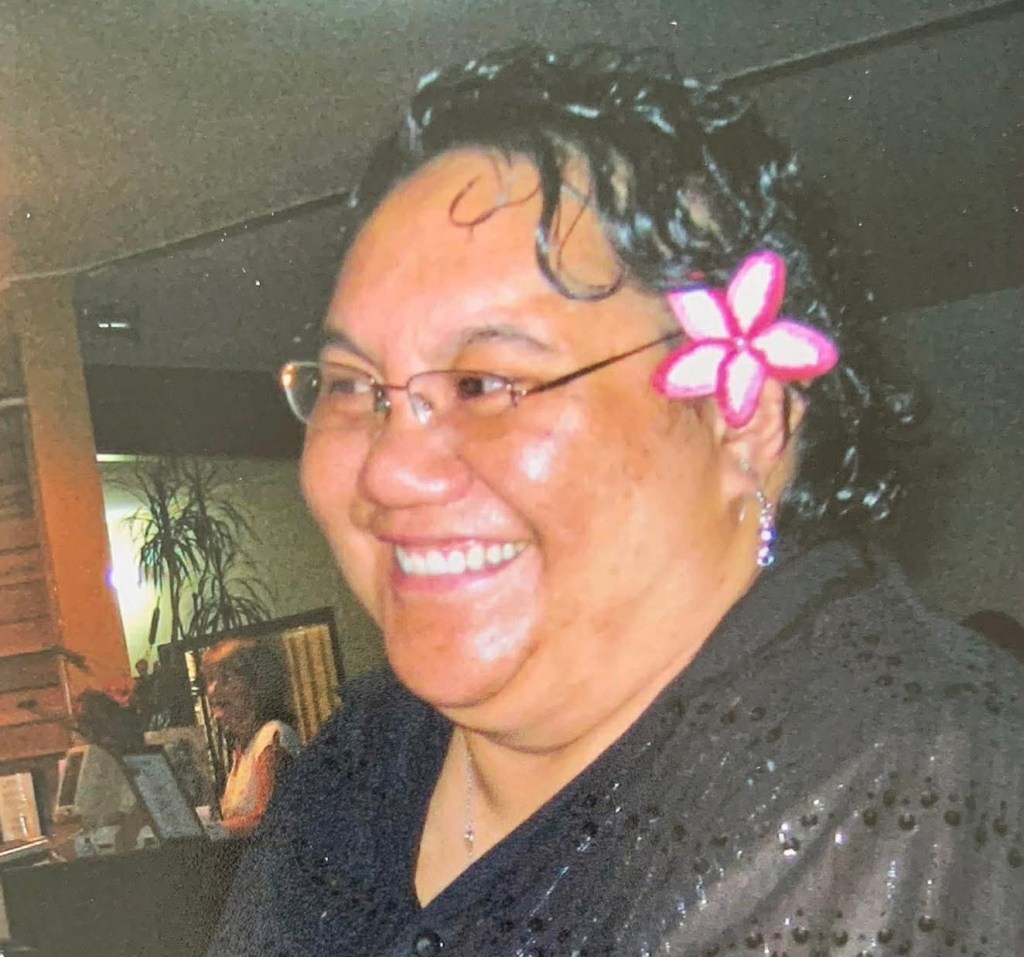
Note: this post is for you, Aunty Marina. Kua whetūrangitia koe, kua ngaro atu koe ki te pō. He mihi tēnei ki a koe. Thank you for always sitting us down, your chirren – it is a good thing to be humbled by a humble woman.
Nā Elena
 Te Wahine Atamai
Leave a comment