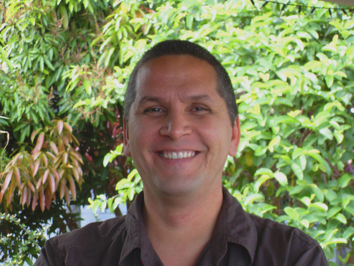
Shawn Wilson
I think Shawn Wilson is my favourite author we have read so far throughout this course, despite his continued use of words like ontology and epistemology – which I am yet to fully understand. He writes as if he is speaking directly to me, and puts words to feelings I have felt inside of me but have not had the words to express. In this chapter, Wilson discusses an Indigenous view on identity which centralises the idea that we are not simply just “in relationship” but “we are the relationships that we hold and are a part of.” He quotes Stan Wilson who says “who I am is where I’m from, and my relationships,” which both soothes and pains me. What happens to those of us who do not know this in our bones, who have not been raised with a deep understanding and knowing and sense of ourselves in relation to something bigger than us. Maybe this is why we, as Indigenous peoples who feel disconnected, have that innate yearning that does not seem to go away until we start to reconnect – and even then, I am yet to experience it truly being at ease. Our individualistic life separates us from the core of our being in that we are made up of generations of relationships to whenua, place, a people yet some of us do not even know what it means to truly belong to our own people.
Wilson says “This of course emphasizes for me the belief that we as Indigenous people have a literally “grounded” sense of identity” in relation to some of his kōrero about our innate connection to land as Indigenous peoples. Again, this made me question, ‘but do we have a grounded sense of identity if we don’t know who we are as Indigenous peoples?’ And I wonder if the answer is yes and no. As I wrestle with some of these thoughts, I feel as though the beauty about relational identity is that it is innately embedded within us which means we have access to all parts of ourselves, despite maybe not feeling confident and/or comfortable in that space. I think feeling the pain of disconnection is an integral part of the journey, and maybe the point isn’t that we strive to meet certain cultural expectations to feel good enough to belong, but maybe that we accept the journey of “returning home” as Hau’ofa describes it with all the ups and downs along the way.


Leave a Reply