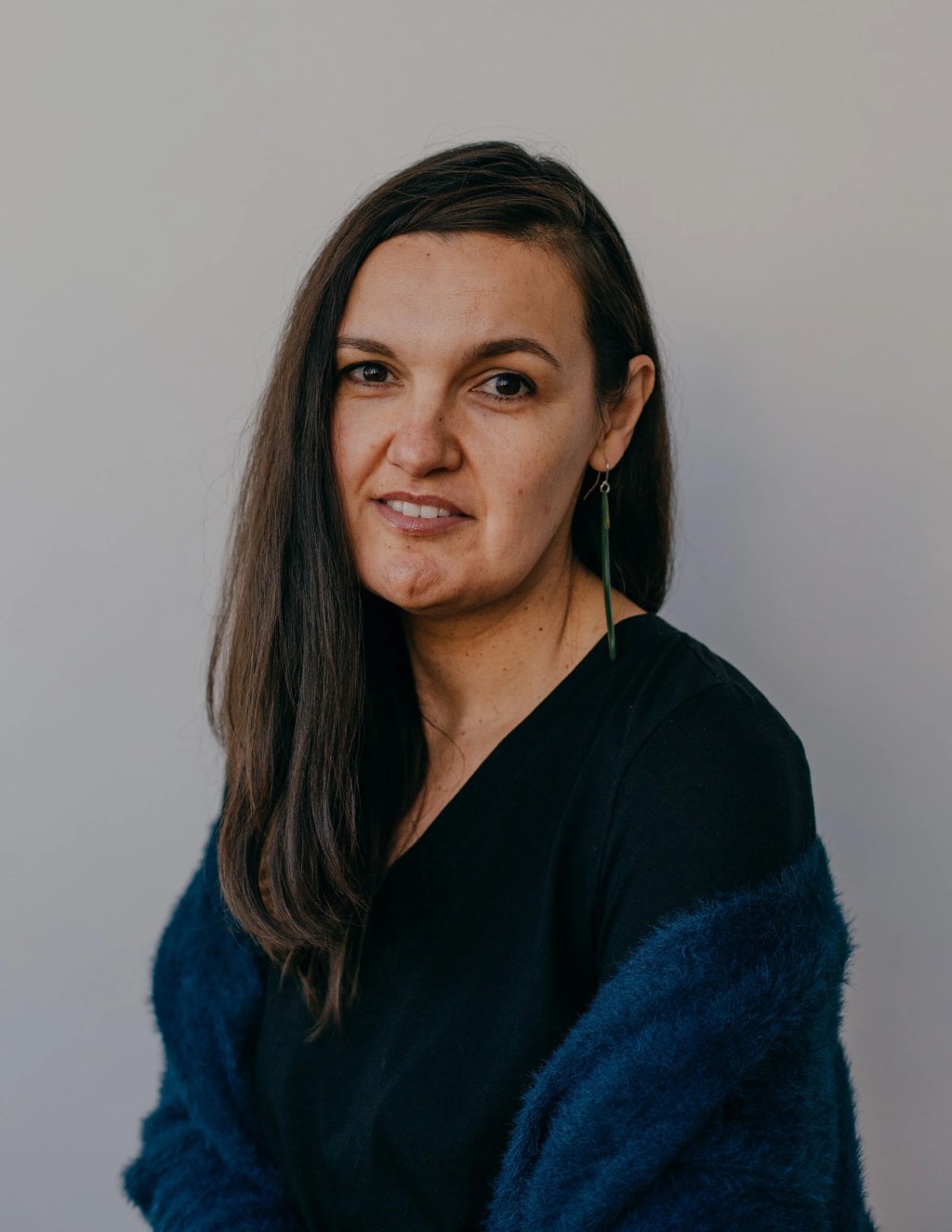
Dr. Hayley Cavino
This piece might just be foundational for me in the building of my research. Initially, upon reading Lee-Morgan’s work (2022) on this concept of “pūrākau,” I did not really gel well with the way in which she has broken down the kupu. To be quite frank, I still do not agree with it. Whilst I am sure her intention was not one of disrespect, as a learner of te reo Māori I was taught that deconstructing kupu Māori was something to be very careful with so as to not lose the main tikanga Māori. However, despite my disagreement with the way in which Lee-Morgan has dismantled the kupu, the core of her methodology is something I can get on board with. In addition, this piece by Cavino has beautifully drawn on and redeemed some of my perspectives on the methodology as a whole.
Cavino’s framing of pūrākau as a way to restore and bring healing to “whakapapa, our histories and our present” (p. 96), helped me to understand the core idea of this methodology in that it aims to give voice to not only our kōrero tuku iho o mua (our stories passed down from ancestors), but gives us space to share our own stories and engage with these past stories in a way that allows us to reconnect to who we are – especially if that has been lost over the generations. Now this is something I can get on board with.
Nearing the end of this piece Cavino quotes Terese Mari Mailhot’s work as discussed by Seghal; “In my culture, I believe we carry pain until we can reconcile with it through ceremony” (p. 102). I immediately felt a pain deep in the pit of my stomach and I sobbed; I sobbed because I felt seen, I felt known and I felt validated. Not only do I believe this statement to be true, but I know it to be true. The pain of disconnection, of not truly knowing who we are and not feeling as though we belong to a land and people we share whakapapa with is the ultimate heartache of an Indigenous person. This heartache underpins my own research in that I believe in creating space for my people to share stories, to cry, to grieve, to dream and to hope. Whilst I probably wouldn’t use the word pūrākau as that (I would prefer the kupu “wānanga”), the core idea is the same. Sharing stories and experiences could be a healing practice for our people in their own journey of learning about their whakapapa, their whenua and where they belong.
 Te Wahine Atamai
Leave a comment