
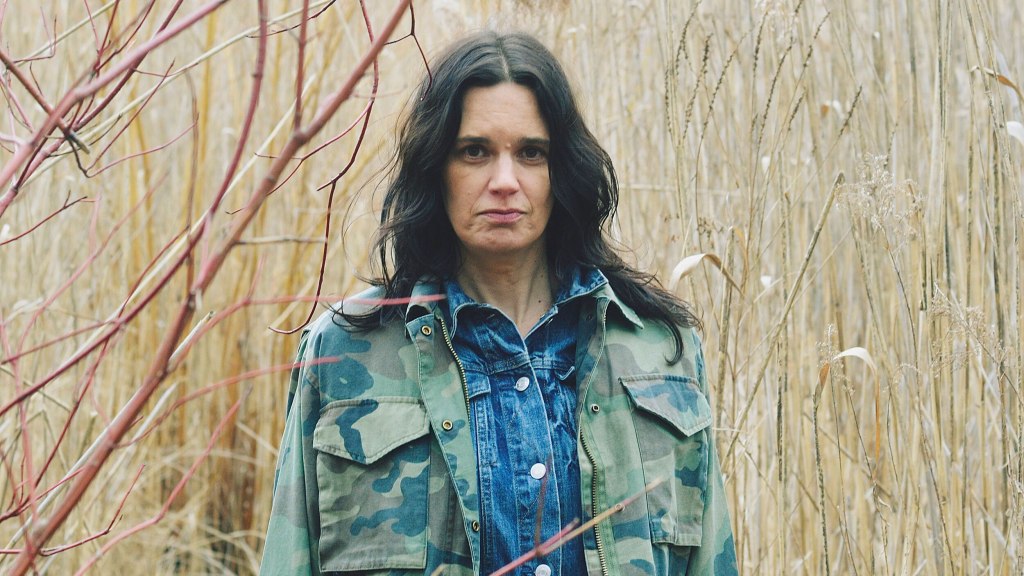
Leanne Betasamosake Simpson
I see myself in Leanne Simpson. The things she writes about in this text – her noticings, her felt experience returning home to the Elders, her delayed learnings, the way she carried some of her Western ideologies into her homeland only to have them disrupted – are all of the things I am grappling with currently. The author narrates her experience of Nishnaabeg practice being undeniably valuable, however at the time, purely felt as though the questions she had were not being answered. This reminds of my experience of Te Tohu Paetahi, the full immersion te reo Māori programme at Te Whare Wānanga o Waikato. She states, “this experience more than anything else opened my mind and heart to the brilliance and complexity of Nishnaabeg embodied thought;” this is a beautiful articulation of my experience of Te Tohu Paetahi. I completed a Summer reo paper last year, and at the time it was extremely hard for me in that I did not really understand how any of the learnings were contributing to expanding my reo Māori – they were all practice-based tikanga Māori. However, as I have let all of that learning embed itself within me, I have realized that the greatest learning I received from last year was the four weeks of complete and utter confusion and disarray. It was in the practice of being Māori, that my worldview was challenged, stretched and ultimately expanded into this new realm of possibility.
Simpson’s language of “returning to ourselves” is beautiful in that it implies that our identity is something that already exists within us, rather than being some abstract and far-away goal post that we somehow have to build from scratch. I guess there may be aspects of building from scratch, of un-learning and re-learning, but I do agree with Simpson’s perspective in the returning to our homeland and our people, we are returning to who we are, innately. It also reminds me of how authors such as Coulthard and Smith encourage us to determine our own knowledge systems and indigenous identity as opposed to seeking and/or allowing recognition and validation from the dominant group in power. What a beautiful marrying of some of these important ideas in indigenous research.


Leave a Reply