
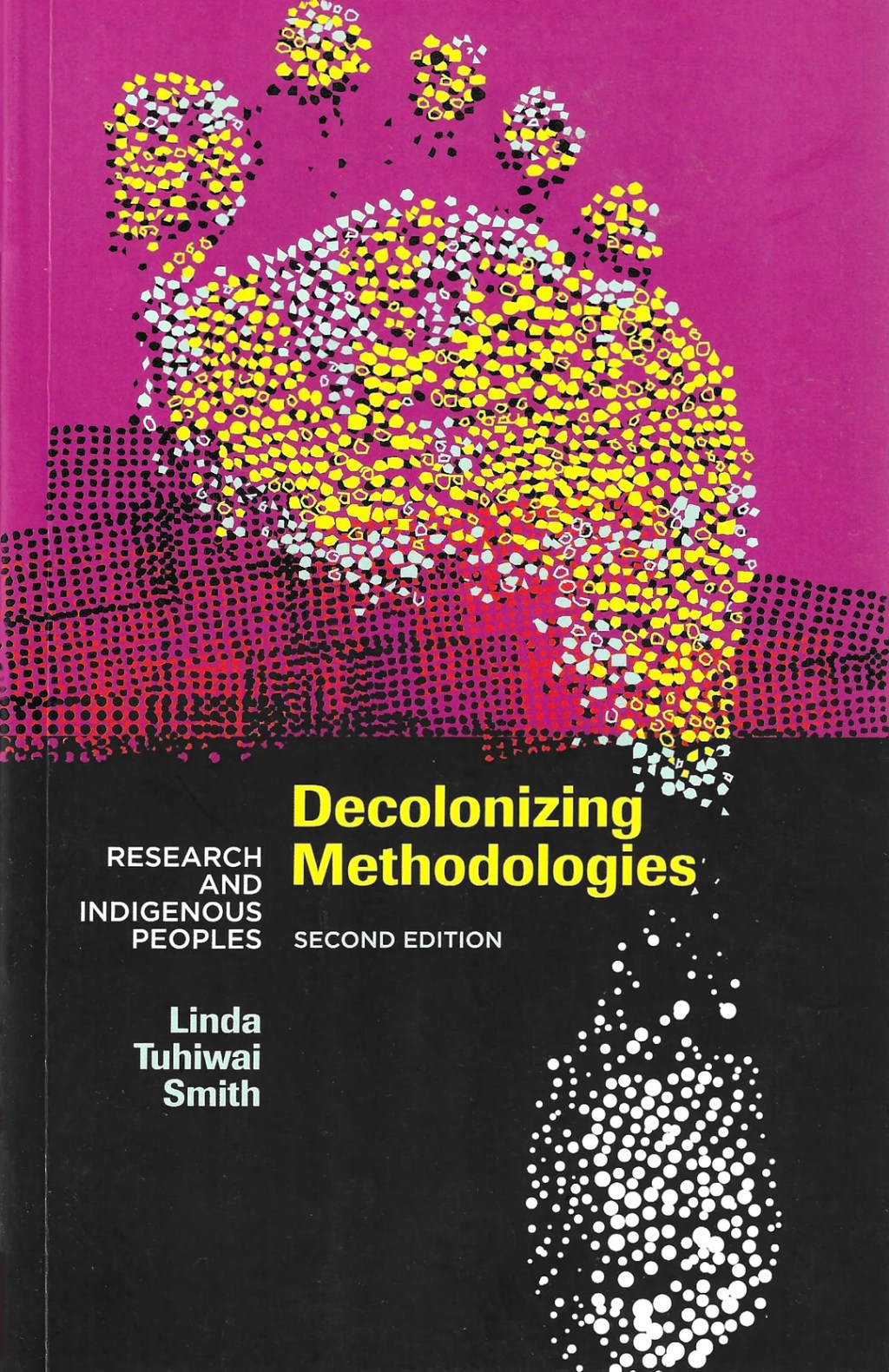
Linda Tuhiwai Smith
This is my reflective journal for Chapter 13, honest and raw: I do not really understand this chapter at all. Whaea Linda talks a lot about globalization and neo-liberal economic politics – I have no idea what these mean. I think I am coming to understand that neo-liberalism is an ideology that emphasises the reliance of countries on the global market, encouraging huge corporations like the World Bank to be at the centre of decision making and ruling of countries. It seems to care very little about what things look like at the ground level for peoples within a country, particularly those who are within the marginalised people groups; Indigenous peoples, females, LGBT+ community, etc. I think I understand globalization to be the interaction and relationship between countries through the flow of goods, services, people, information, culture, and capital.
Smith writes “the activist struggle is to defend, protect, enable and facilitate the self-determination of Indigenous peoples over themselves in states and in the global arena where they have little power.” This reminds me of two people in our society today; Eru Kapa-Kingi and Riana Ngahue; both young, Māori activists who are lawyers by trade and care deeply about educating others and standing up for the rights of Māori here in Aotearoa. Now that I reflect on some of my learnings from Whaea Linda’s book, I am starting to understand just how intrinsic politics is in the world of decolonization and revitalization of Indigenous language and culture. I guess I did not realize that before – I did not know that embarking on my own research and identity journey was going to involve a deeper understanding of global politics, I guess I naively thought it would be a mostly beautiful journey of language reclamation and sitting with elders, inquisitively asking questions whilst drinking my cup of tea. I did not realize – to my embarrassment – my own ignorance of the intrinsic hegemony embedded within the policies that run our country.
I am learning how important it is for me to understand things like epistemology, imperialism, hegemony, neo-liberalism and some of these other big words. This is what it actually looks like to go on a journey of Indigenous reclamation, because without understanding the tools that colonial powers have used, how will I be able to break free from them?


Leave a Reply