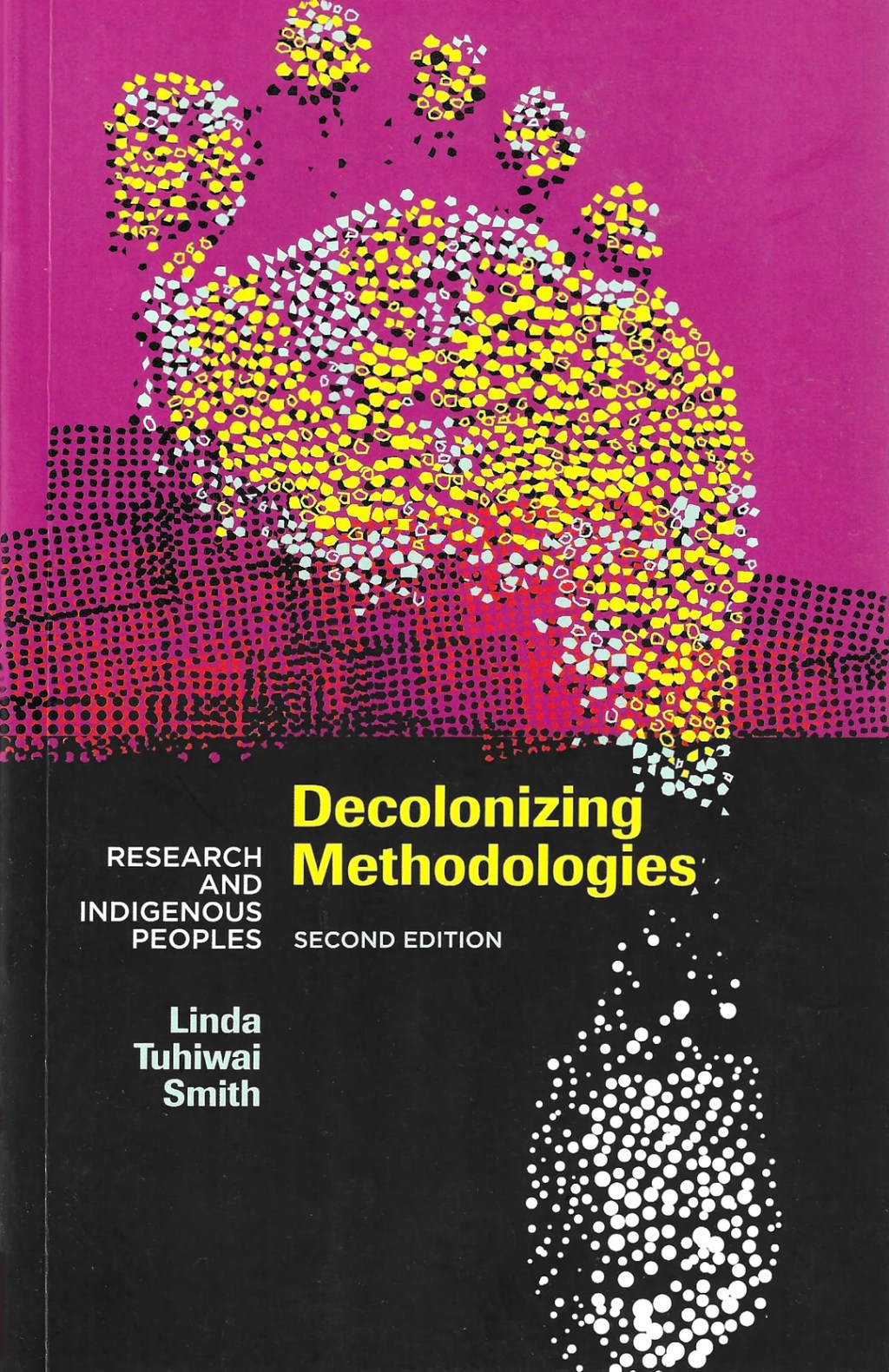
Linda Tuhiwai-Smith
Before reading this chapter in Whaea Linda’ book, I had heard of “Kaupapa Māori Research” but I never really knew what that meant. This has been helpful in furthering my understanding of the concept of research “by Māori, for Māori.” The conversations around positivism being the dominant worldview not only in, but particularly in, the world of research has helped me to understand the innate hegemonic perspectives in the search for knowledge.
One thought that came up for me was around whether or not non-Māori can partake in Kaupapa Māori research. As a non-Māori this chapter made me reflect on where I stand in Māori research, how I feel about that and what kind of impact that will have regarding the research I partake in. It also highlighted thoughts around where I sit as a non-Māori (who does not have whakapapa to Aotearoa), but more importantly as a tangata Pasifika who is “Māori” to her island, Mangaia. It made me reflect on how, back in the islands, our people refer to ourselves as Māori, and I am currently on the personal journey of reshaping how I see myself here in Aotearoa. I have always referred to myself as non-Māori, out of a desire to acknowledge and support the tāngata whenua of Aotearoa. However, as I have grown in my journey as an Indigenous wāhine, I have begun to question whether or not this separation of Māori of Aotearoa, and my people of the Cook Islands is purely a colonial worldview. If we all travelled Te Moana nui a Kiwa together, then who are we in relation to one another? I guess this is something I would like to explore further within my research endeavours, and Whaea Linda’s ideas around whānau, relationality, and giving validity to Indigenous (and in particular Māori) perspectives encourages me to think about my own whakapapa and where I sit in relation to this all.


Leave a Reply