
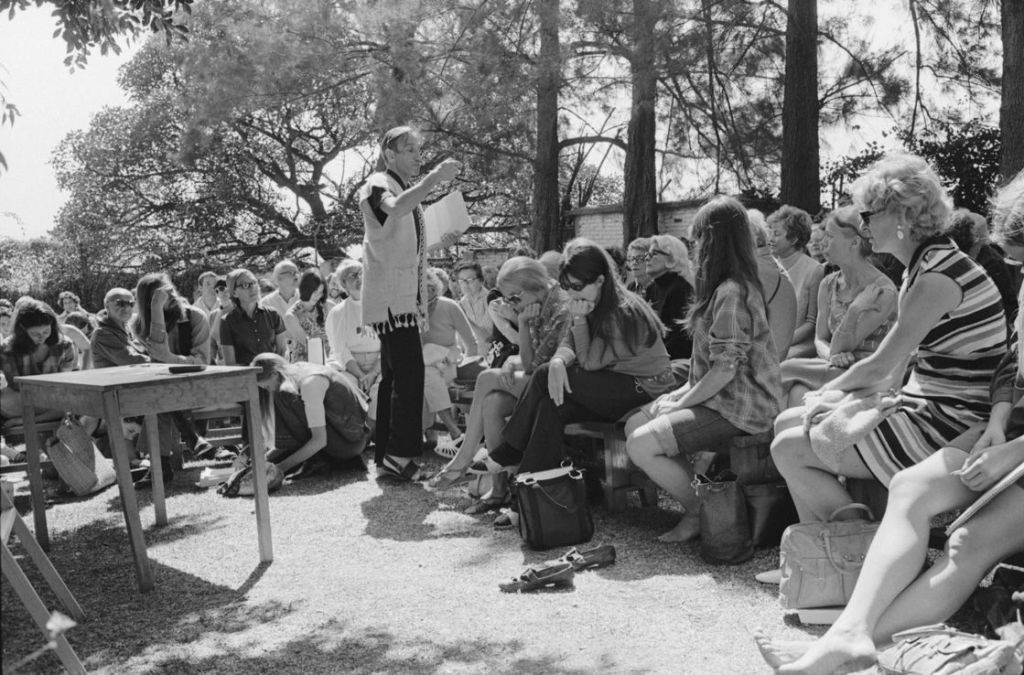
Ivan Illich
I thoroughly enjoyed this reading. I was surprised that such a profound and important conversation was happening in 1968, I am embarrassed to say I did not think it would have been. I really appreciated how direct the author was with his audience in confronting their ignorance and, to a degree, the lies they had been telling themselves about the work they had done and wanted to do. I love Illich’s statement: “How odd that nobody ever thought about spending money to educate poor Mexicans in order to prevent them from the culture shock of meeting you.” His sarcastic, witty tone makes his reading very enjoyable for me; it almost makes me laugh. This comment highlights the intrinsic hegemony that narrates the dominant ideas about knowledge and the right way of living that take precedence globally.
One new thought I had not yet considered was the idea that even when “mission groups” go into indigenous communities under the belief of their own benevolence, they are likely going to interact with that “middle-class” minority that Illich speaks about. I never considered that maybe the validation and appreciation those minority middle-class individuals demonstrated was due to their own interaction with the world in which they’ve been told to believe is “true, right, correct” and the only way forward for all people groups.
This reading truly made me ask hard questions to myself about spaces I have been in that may have been “well-intentioned” but really, at the end of the day unhelpful at best, and damaging at worst. I think of my journey learning te reo Māori and wonder what my role is, if any, in a space amongst tangata whenua of Aotearoa; where do I stand as a tangata Tiriti? Where do I stand as a tangata Pasifika – as whanaunga of tangata whenua, but not tangata whenua? As someone who genuinely wants to do the right thing, I appreciate the pressure this piece has placed on me to reflect further inwards regarding who I am, what spaces I place myself in, and even deeper than what my intentions are, what is the reality of my impact (or lack thereof) in certain contexts.


Leave a Reply