
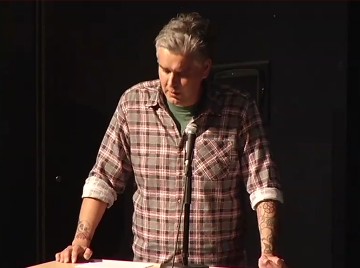
Glen S. Coulthard
Coulthard highlights the idea that ‘recognition’ as a form of Indigenous resistance to colonial power, is only furthering “the very configurations of colonial power that Indigenous peoples’ demands for recognition have historically sought to transcend” (p. 439). Initially I did not really understand what he meant by this because at the outset, the concept of ‘recognition’ to me sounded like a good thing in the sense of Indigenous people being recognized as humans. It reminded me of what I read in Whaea Linda’s book, Decolonizing Methodologies, about The United Nations Declaration on the Rights of Indigenous Peoples in the recognition of Indigenous people as human, entitled to self-determination, access to culture and language and freedom from assimilation (Tuhiwai Smith, 2021, p. 119). However, I think what Coulthard is highlighting is that our indigenous lives do not need recognition to be deemed valid and important. To align ourselves with ‘the “politics of recognition” is to hand the power of our autonomy over to the dominant people group, but Coulthard wants us to be encouraged by the idea that we, as indigenous peoples, are capable of self-determination.
Furthermore, Coulthard goes on to discuss Fanon’s observation that indigenous people groups, over time, internalize the story they have been told of themselves, and it is this internalization that needs to be addressed in order to gain true ‘freedom’ from colonial rule. This makes a lot of sense to me, especially when I think of writers like Brayboy who honestly and explicitly revealed the colonized voice within himself, perpetuating the negative impacts of colonization by being judgmental and prescriptive of what it means to be a “real Indian.” Coulthard states that “recognition has emerged as the hegemonic expression of self-determination,” supporting our understanding that instead of continuing to push for colonial recognition, a better use of our efforts is to pursue our own self-determination, seeking the life that we know, as indigenous peoples, is good for us. This reminds me of movements such as Toitū te Tiriti where Māori activists are helping us as a whenua claim space, use our voices, and stand up against acts of racism, assimilation, and oppression.
Whilst this reading challenges me, it simultaneously encourages me to unpack the intrinsic hegemony within me that might align with ingrained beliefs about who I am, as an Indigenous Cook Island woman. It reminds me of the importance of critical engagement with texts, other researchers, co-workers, and politics, in all aspects of my world, where I am fighting for not only decolonization, but the reindigenization of my world.
 Te Wahine Atamai
Leave a comment