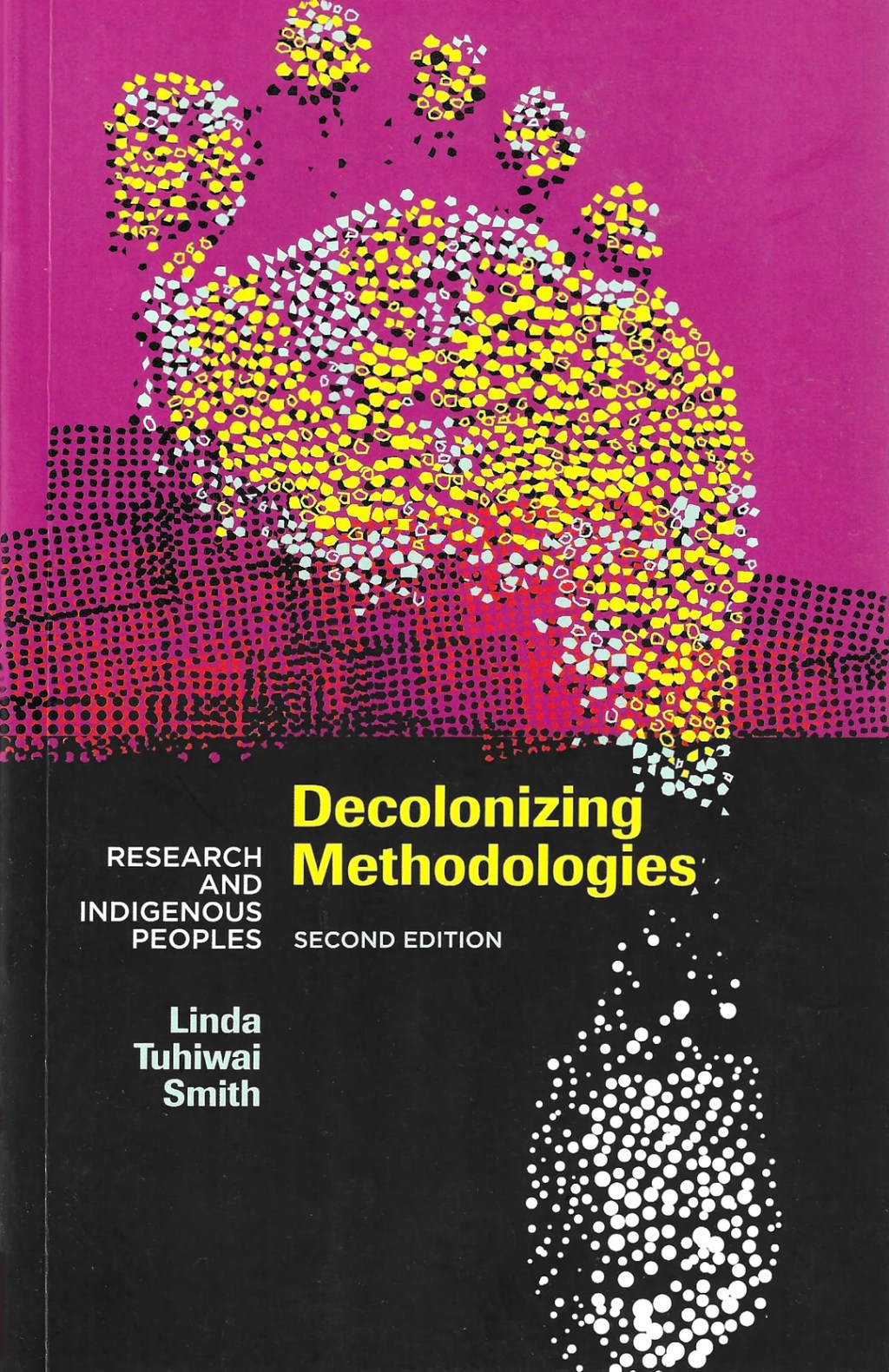
Linda Tuhiwai-Smith
“What makes ideas ‘real’ is the system of knowledge, formations of culture, and the relations of power in which these concepts are located.”
This is a really interesting comment that Smith makes as she discusses the idea of this “cultural archive,” which sits at the centre of all knowledge/ways of knowing/traditions, and although it is not a unitary system, it still ascribes to ‘rules’ determining what can be compiled and stored within this archive as knowledge. I feel like this concept of the validity of knowledge and how that has shaped the West, and the colonized is integral in this process of becoming Indigenous researchers. This is because it is the embodiment of hegemony, and how we see the collision of some of these big ideas that other authors have been discussing in their readings; e.g. being an insider/outsider, internalization of the “single story” we have been told of ourselves, and the idea of “recognition” by the colonizer in order to flourish – just to name a few. I feel like I am starting to understand this word “hegemony” as the internalization of the dominant culture and worldview by indigenous people, which really challenges my own ways of thinking but also makes me want to be extremely aware of how hegemonic perspectives might be playing out in other peoples lives – even when they are an Indigenous person on a ‘reclamation’ journey.
In addition to this, this reading reminds me of a conversation I once had with my Kuia, where she explicitly stated that “we (our people of Mangaia) were savages before the Papa’a came and saved us.” This is a real-life example of how one has internalised this single story; it is an expression of hegemony still at play in the life of my family. Not only does this bring about feelings of grief and sadness, but it reminds me of the importance of my journey seeking to not only reclaim our tīpuna knowledge, but endeavour to discover who I really am as a native Mangaia woman.
 Te Wahine Atamai
Leave a comment