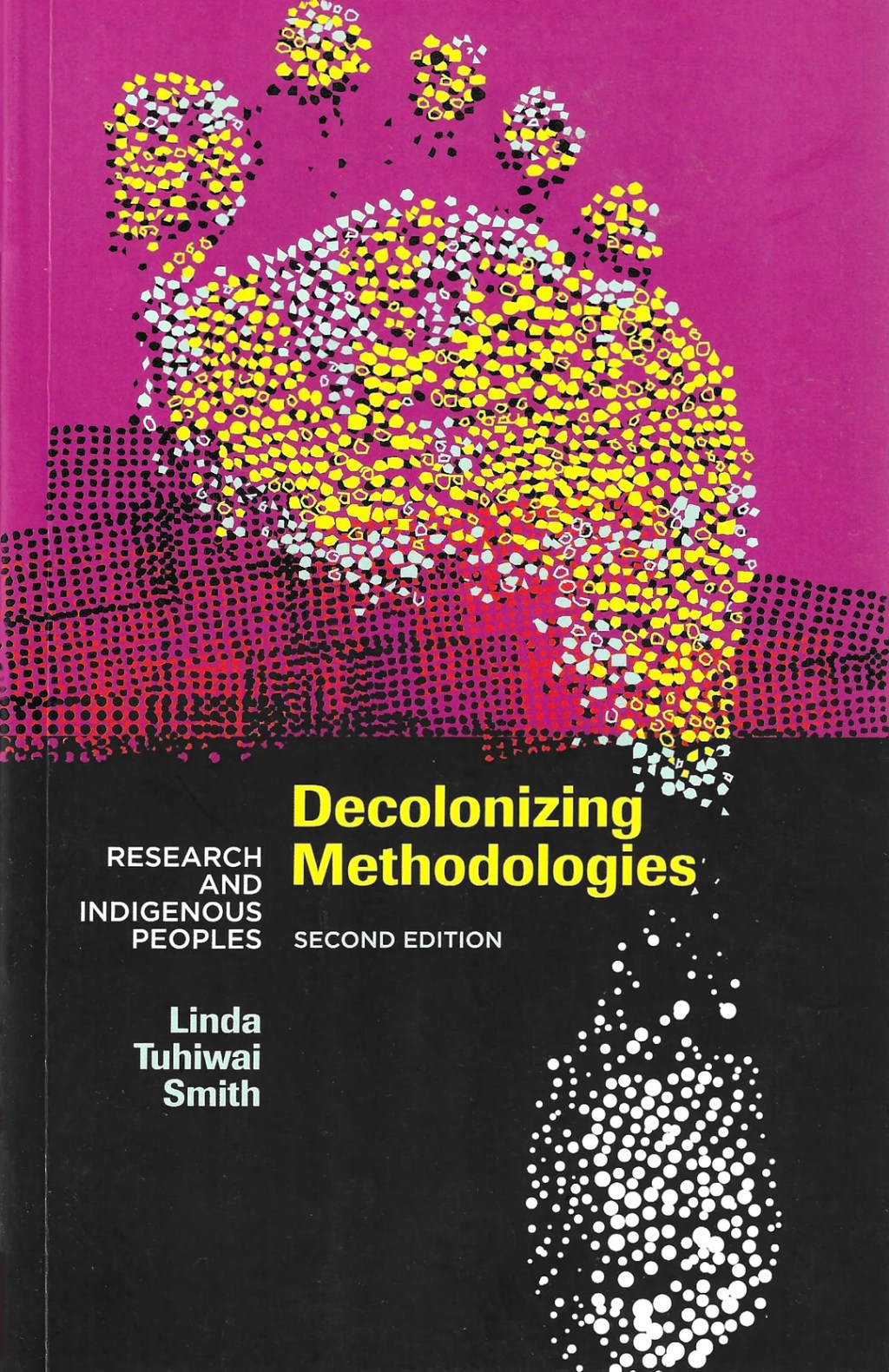
Linda Tuhiwai-Smith
“The master’s tools of colonization will not work to decolonize what the master built.” I love this statement of Whaea Linda’s because it reminds us that we must reframe the stories we have been told about ourselves, and work to make our own voices and perspectives known. I also resonate with her idea of it being equally as important to see the world of academia as a tool to bring to light and make known our knowledge systems. This is incredibly important in regards to my own research interests regarding my homeland, Mangaia in the Cook Islands.
Through my engagement with te reo Māori and te ao Māori, I have developed an interest in the traditions and stories indigenous to my own land. Most of the writings that I have accessed about our land have been written and investigated by Pākehā men who have a background in anthropology and history, meaning they are unable to speak from and share our stories from within. Reading Smith’s text has reminded me of the importance of sharing our own personal stories from an indigenous perspective, and has highlighted the significance of our stories that predate the arrival of the white man. However, in addition to this, I am confronted by my own disconnection to and from my land. This sparks questions of being a “real Cook Islander” – just as Brayboy discusses in “The Indian and The Researcher,” and whether or not I have the capabilities of truly delivering an indigenous perspective as an indigenous woman who has been raised in a Pākehā world. This brings it with its own complex web of emotions such as shame and disappointment, because I want to be seen as an Insider to my own people; and maybe to some I am. Perhaps even deeper than that desire is the yearning to know, feel and believe in my bones that I belong to my people and my land – maybe then, I feel feel able to speak to some of these deeper issues.
I guess Whaea Linda in this first chapter has planted a seed in me, a wondering of what my role and contribution will be to my people; how might I become a wāhine able to live in a way that does not exacerbate colonization but seeks to bring healing for our people instead?
 Te Wahine Atamai
Leave a comment